People and Places
Images from the documentaries of Thomas Sideris 2010–2026
A photographic journey through places of memory, displacement, and human experience.
CINE AVRA, KARYSTOS | 1–3 SEPT 2026
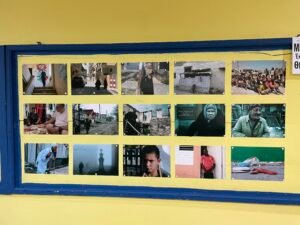
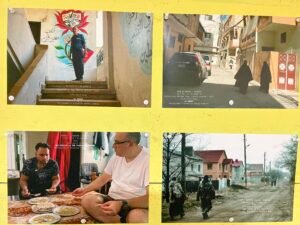
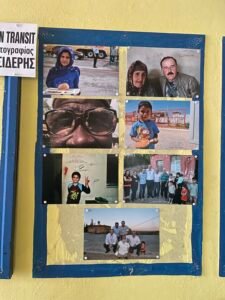
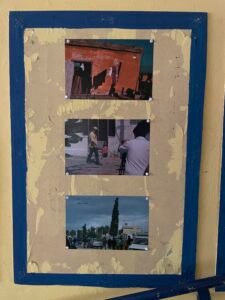
This exhibition of twenty-five photographs and film stills features a selection of images from Thomas Sideris’s documentaries produced between 2010 and 2026. Drawing upon more than fifteen years of work in documentary filmmaking, the exhibition charts a visual path through places marked by memory, displacement, conflict, migration, loss, survival, and the enduring human need to maintain a sense of belonging.
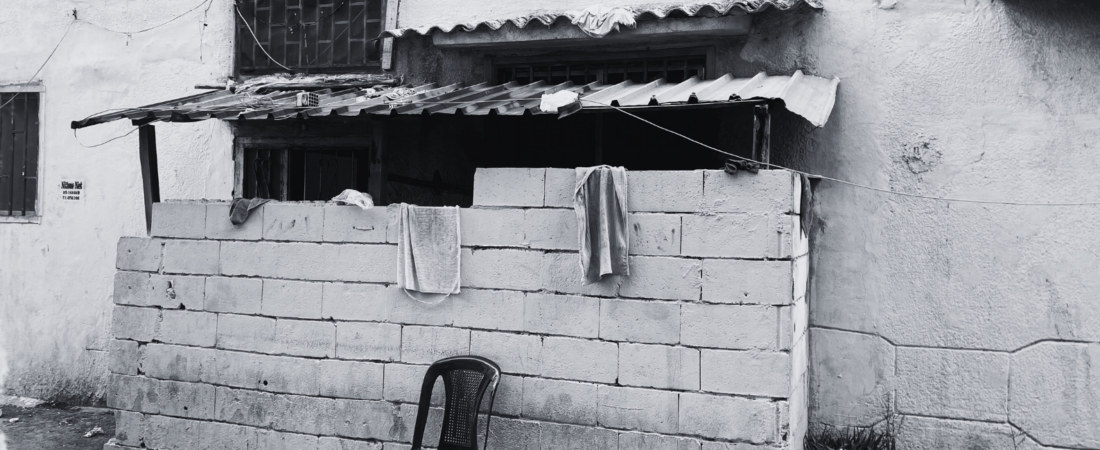
These images were not originally created as still photographs. They emerged from the moving image—moments captured on camera during filming as the lens observed stories, landscapes, and people whose lives have been shaped by historical upheavals. Extracted from the cinematic narrative and presented as static images, they acquire a different rhythm and a new space for contemplation. A gesture, a face, an abandoned building, a landscape, a road, or an object becomes a fragment of a larger story, inviting the viewer to pause, look, and see beyond the frame.
The exhibition moves between distinct geographical and historical landscapes: sites of war and forced displacement, refugee borders and routes, camps and temporary settlements, abandoned industrial spaces, landscapes carrying traces of violence, and communities striving to rebuild their lives. Yet, the geography of the exhibition is ultimately human rather than political. It is shaped by encounters—with people who crossed borders, lost their homes, carried their memories, and kept moving forward.
At the core of Thomas Sideris’s documentary gaze lies the relationship between place and memory. Places are never merely backdrops. They carry the traces of those who lived, suffered, worked, left, or disappeared within them. A ruined house can become an archive. A railway line can recall an entire history of displacement and death. A border can simultaneously represent division and the possibility of passage. A refugee camp can become both a temporary dwelling and a reminder of a life suspended between departure and arrival.
The photographs also explore the tension between visibility and invisibility. Many of the people featured in these documentaries belong to communities on the margins of dominant narratives: refugees, migrants, laborers, displaced populations, survivors, and individuals whose stories rarely enter official historical records. In this context, photography becomes an act of attention. To photograph means to stop, to look, and to recognize the presence of another human being.
Spanning the period 2010–2026, the images reveal not only shifts in places and circumstances, but also the persistence of deeply human experiences: fear, loss, resilience, waiting, hope, separation, and the search for a place to call home.
The exhibition does not attempt to offer a complete narrative of the events it documents. Instead, it provides fragments—visual traces gathered over a long documentary journey. Each photograph serves as an entry point into a larger story, while each story forms part of a broader landscape of contemporary memory.
Together, these images constitute an archive of human presence: a photographic trace of people and places caught at the crossroads of history, memory, and displacement. Behind every border, every route, every abandoned landscape, and every historical event, there are people, lives, losses, and memories. And perhaps, in the end, memory begins with something simple: the act of looking.